



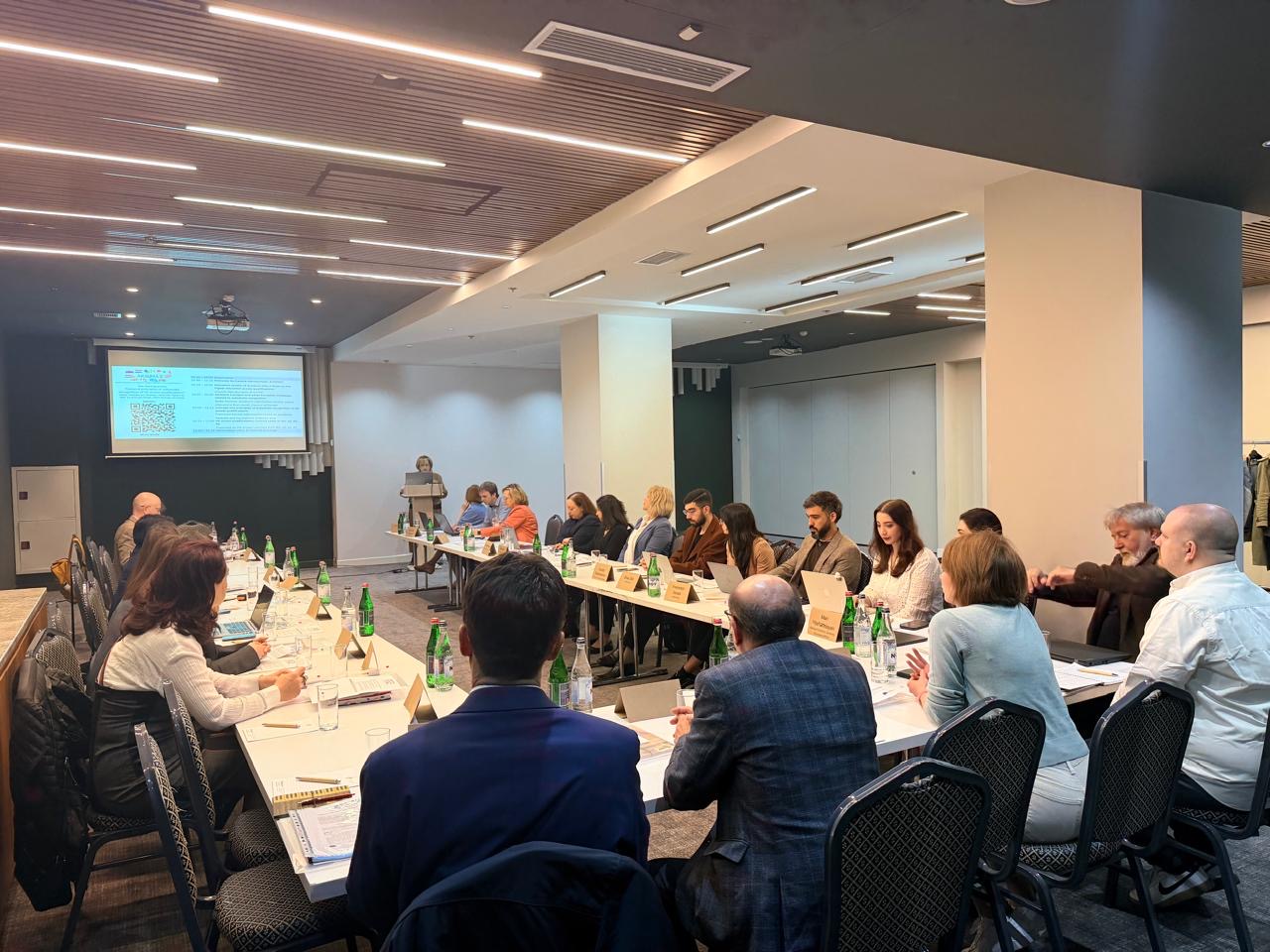
On 22 April 2026, a Peer Learning Activity (PLA) was held in Yerevan, Armenia, within the framework of the Erasmus+ ARAQUA2 project – Road to Automatic Recognition of Higher Education Access Qualifications 2. The event brought together experts from ENIC-NARIC centres, higher education institutions, and recognition authorities to discuss practical pathways toward automatic recognition of qualifications granting access to higher education.
The ARAQUA2 project unites 11 partner institutions and aims to strengthen cooperation, transparency, and fair recognition practices across the European Higher Education Area (EHEA). As a member of the EHEA, Armenia is actively engaged in these reforms and in advancing recognition systems aligned with European standards.
The priority of automatic recognition was politically endorsed in the 2012 Bucharest Communiqué, and subsequent ministerial communiqués have consistently reaffirmed this commitment. Since then, numerous initiatives at both national and international levels have sought to implement automatic recognition in a coherent, legally sound, and institutionally feasible way.
Automatic recognition for access to higher education is grounded in the Lisbon Recognition Convention. It requires more than procedural change—it requires a shift in mindset. The guiding principle is clear: qualifications should be recognised unless substantial differences can be demonstrated. This means moving toward trust-based decisions supported by strong qualifications frameworks, reliable quality assurance, and transparent information.
An important distinction is that automatic recognition does not guarantee admission; it guarantees eligibility. Admission decisions remain within institutional autonomy. In practical terms, a qualification that gives access to higher education in one country should also provide access in another.
The Yerevan PLA provided an important platform for sharing national practices, exchanging expertise, and strengthening mutual trust among partners, marking another step toward more effective recognition and greater academic mobility across borders.


